
The Intersection Of Cultural Identity And Medical Health
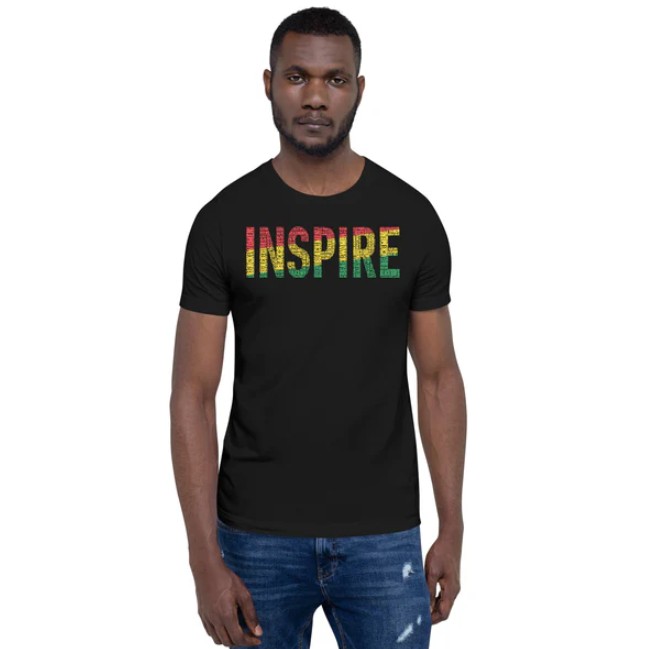
The intersection of cultural identity and medical health is a landscape often overlooked in clinical settings, yet it is fundamental to holistic healing. For many in the African diaspora, the clothes we wear—be it a vibrant African shirt, a traditional African hat, or specific St. Lucia clothing—are more than just fabric; they are a reclamation of history and a form of psychological armor. Understanding the profound link between heritage, represented by black history shirts, and the physiological well-being of a community is essential for modern medicine to move toward a truly inclusive model.
The Psychology of Identity and Healing
The concept of “enclothed cognition” suggests that the clothes we wear trigger specific psychological processes. In the context of medical health, the ability to express one’s heritage can significantly lower cortisol levels and reduce the “weathering” effect—a term used by public health researchers to describe the premature aging of the body due to chronic social stress.
When a patient enters a healthcare facility wearing Ghana clothing like the Kente or Batakari, they are not just making a fashion statement; they are signaling a connection to a lineage of resilience.
- Stress Reduction: Embracing cultural aesthetics can act as a buffer against the anxiety often found in sterile medical environments.
- Trust Building: When practitioners acknowledge and respect traditional attire, such as an African hat or a specific headwrap, it fosters a therapeutic alliance built on mutual respect rather than clinical coldness.
Black History as a Health Determinant
The history of the African diaspora is inextricably linked to medical outcomes. Wearing black history shirts serves as a wearable reminder of both the struggles and the medical contributions of Black pioneers. This awareness is a vital component of “cultural health literacy.”
Historically, Black communities have faced systemic barriers to quality care. Today, the movement to integrate cultural pride into daily life is a form of proactive mental health care. By celebrating heritage through Ghana clothing or apparel that honors figures like Mary Seacole or Charles Drew, individuals engage in a process of “narrative medicine”—retelling their own story in a way that centers strength rather than pathology.
“The body heals in an environment where the soul feels recognized.”
Regional Variations: St. Lucia and the Caribbean
Medical health is also deeply tied to geography and the specific traditions of the Caribbean. St. Lucia clothing, such as the traditional Madras or “Wob Dwiyet,” represents a fusion of African and European influences. In the Caribbean, health is often viewed through a communal lens.
Traditional clothing is worn during festivals and community gatherings where “social prescribing”—the idea that social connection improves health outcomes—takes place naturally. The vibrant colors and patterns of St. Lucia clothing are synonymous with the island’s “Joie de Vivre,” which has been linked to lower rates of depression and higher life satisfaction scores among the elderly in the region.
Cultural Humility in Modern Practice
For the medical community to bridge the gap in health disparities, there must be a shift from “cultural competence” to “cultural humility.” This involves recognizing that a patient’s African shirt or their preference for certain Ghana clothing might be tied to their spiritual and physical sense of self.
Comparison of Cultural Expression and Health Impact
| Item | Cultural Significance | Potential Health Benefit |
| African Hat | Symbol of authority/wisdom | Boosts self-esteem and mental clarity |
| Black History Shirts | Educational/Commemorative | Reduces feelings of isolation and erasure |
| Ghana Clothing | Connection to ancestral roots | Lowers chronic stress through belonging |
| St. Lucia Clothing | Regional pride/Community | Enhances social support networks |
The Role of “Uniform” in Community Health
In many West African cultures, clothing serves as a visual language for health status. Specific patterns in Ghana clothing may indicate a person’s stage of life, their mourning status, or even their recovery from illness. In a clinical setting, a physician who understands the significance of an African shirt can pick up on subtle cues that a standard medical history might miss.
Furthermore, the rise of “medical apparel” that incorporates these designs is a burgeoning field. Imagine a world where hospital gowns are replaced with textiles that reflect a patient’s heritage—this is not merely an aesthetic choice, but a clinical intervention designed to promote dignity and autonomy.
Conclusion
The pursuit of medical health is not limited to the absence of disease; it is the presence of vitality, which is fueled by identity. Whether it is through the bold geometry of an African shirt, the dignified presence of an African hat, or the storied patterns of St. Lucia clothing, the items we wear are vital tools in our wellness kit. By wearing black history shirts and Ghana clothing, individuals are not just looking back at the past; they are weaving a future where health and heritage are inseparable.
When we treat the patient, we must also treat the person. And often, that person is best reached through the symbols of their culture, reminding them that they belong to a history of survival, beauty, and strength.